
What is sustainable weight loss? Evidence-based paths to success

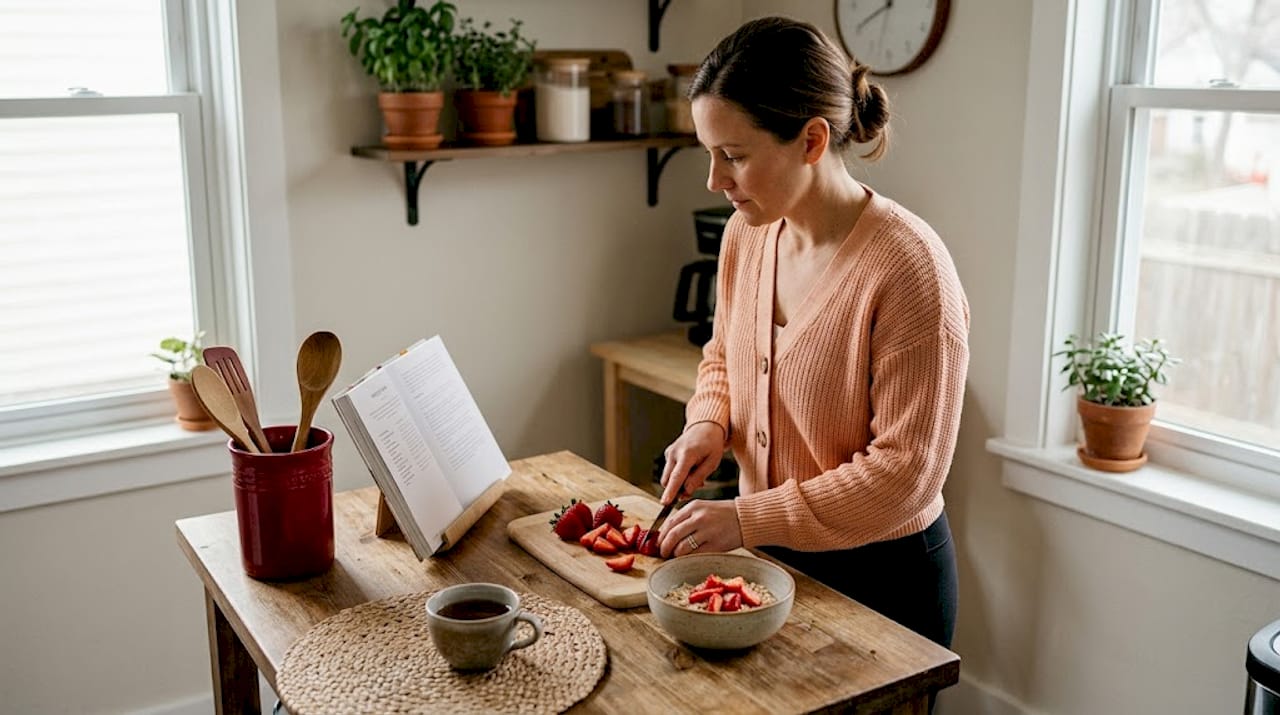
Most of us have been there: a strict diet, fast results, and then the slow creep back to where we started. Quick-fix approaches feel promising at first, but sustainable weight loss means choosing a healthy eating plan and physical activity you can genuinely maintain for years, not just weeks. The science is clear that most people who lose weight through extreme restriction regain it because the approach simply wasn’t built to last. This article walks you through what real, lasting weight loss looks like, what supports it, and how you can build a plan that actually sticks.
Table of Contents
Key Takeaways
Point | Details |
Slow, steady progress | Losing 1–2 pounds per week with lasting changes works best for sustainable loss. |
Ongoing support matters | Virtual coaching and flexible programs increase long-term success rates. |
Lifestyle plus medication | Medications can help, but only alongside committed lifestyle adjustments. |
Flexible habits win | Sustainable strategies adapt to setbacks and changes, making maintenance possible. |
Defining sustainable weight loss: What it really means
Now that you know why most quick diets disappoint, let’s define what sustainability actually looks like. The word “sustainable” gets used a lot in wellness circles, but its meaning in the context of weight loss is very specific. It refers to strategies you can realistically continue for months and years, not approaches that demand extreme willpower for a limited period.
Fad diets are designed to deliver quick numbers on the scale. The problem is that they often slash calories so dramatically that your metabolism slows in response. Your body is smart. It reads a severe deficit as a threat and adapts by burning fewer calories at rest. That biological response makes maintenance incredibly hard after the diet ends.
True sustainable weight loss looks very different. Here are its defining features:
Behavioral: Small daily habits replace dramatic overhauls. Think parking farther away, cooking at home more often, and building in consistent movement.
Nutritional: An eating style you genuinely enjoy and can keep up, not a list of forbidden foods.
Attitudinal: A mindset that allows for imperfect days without giving up entirely.
Biological awareness: Understanding that your body will adapt and that maintenance requires ongoing attention, not just a finish line.
“Keeping weight off is hard because metabolism slows and the body needs fewer calories after weight loss.” — NIDDK
We love sharing practical advice on our weight loss blog, including real-world strategies that go beyond generic tips. The bottom line is that sustainability is about designing a life, not enduring a program.
What does sustainable weight loss look like in practice?
With the concept in mind, let’s visualize what real-life sustainable progress looks like and what numbers to expect. One of the most reassuring things you can know is that slow progress is healthy progress. Many women feel frustrated when the scale doesn’t move quickly, but faster isn’t better here.
A realistic weight loss rate is about 1 to 2 pounds per week, achieved by eating roughly 500 to 750 fewer calories per day than you use. That might feel slow, but over six months it adds up to 24 to 48 pounds of real, maintained progress.

Healthy eating for weight management doesn’t have to be complicated. The CDC dietary guidelines emphasize building meals around nutrient-dense foods like vegetables, fruits, lean protein, and whole grains while keeping added sugars, sodium, and saturated fat low. Importantly, no single food is banned. Moderation and overall balance are what matter most.
Here’s what a realistic week in a sustainable program looks like:
Monday: Prepare simple, balanced meals with protein, vegetables, and a whole grain. Take a 20-minute walk after dinner.
Tuesday: Attend a virtual group coaching call to troubleshoot last week’s challenges and set goals.
Wednesday: Log meals and check in with your provider via secure messaging.
Thursday: Try a new recipe from your personalized dietary plan. Keep movement flexible, like a yoga session or a swim.
Friday: Weekly virtual weigh-in. Note progress without obsessing over a single number.
Saturday: Enjoy a meal out with friends. Practice embracing joyful balance by choosing mindfully without guilt.
Sunday: Rest, reflect, and reset for the week ahead.
Pro Tip: Slower weight loss preserves lean muscle mass, which is essential for keeping your metabolism strong. Women who lose weight quickly often lose muscle alongside fat, making it harder to maintain results. Aim for steady, not spectacular.
What helps weight loss last? The power of ongoing support
Individual habits are critical, but let’s see why ongoing guidance and adaptive support dramatically improve lasting success. Here’s a truth that most diet programs skip over: the biology working against you doesn’t stop when the weight comes off. Research shows that recurrent weight gain is one of the biggest challenges in obesity management, affecting the majority of people who lose weight without structured maintenance plans.
Why does this happen? After weight loss, your body produces less of the hormones that signal fullness and more of the hormones that signal hunger. Your metabolism is running slower. Old behavioral patterns pull hard. Without ongoing structure, it’s incredibly easy to drift back to previous habits, not because you failed, but because your biology is working against you.
This is exactly why ongoing support matters so much. Research from the NIDDK found that early adaptive support in structured lifestyle programs produced meaningful weight loss and health improvements at four months. Participants who received extra coaching when early progress was slow achieved significantly better outcomes. Waiting until someone is far off track to intervene is far less effective than catching it early and adjusting.
Self-directed vs. virtual support vs. medication-assisted programs
Approach | Accountability | Adaptability | Long-term maintenance |
Self-directed | Low | Depends on individual | Challenging without structure |
Virtual coaching program | High | Built-in, regular check-ins | Stronger with group support |
Medication only | Low to moderate | Limited without coaching | Risk of rebound on discontinuation |
Medication plus virtual coaching | Very high | Proactive and responsive | Best outcomes in most studies |
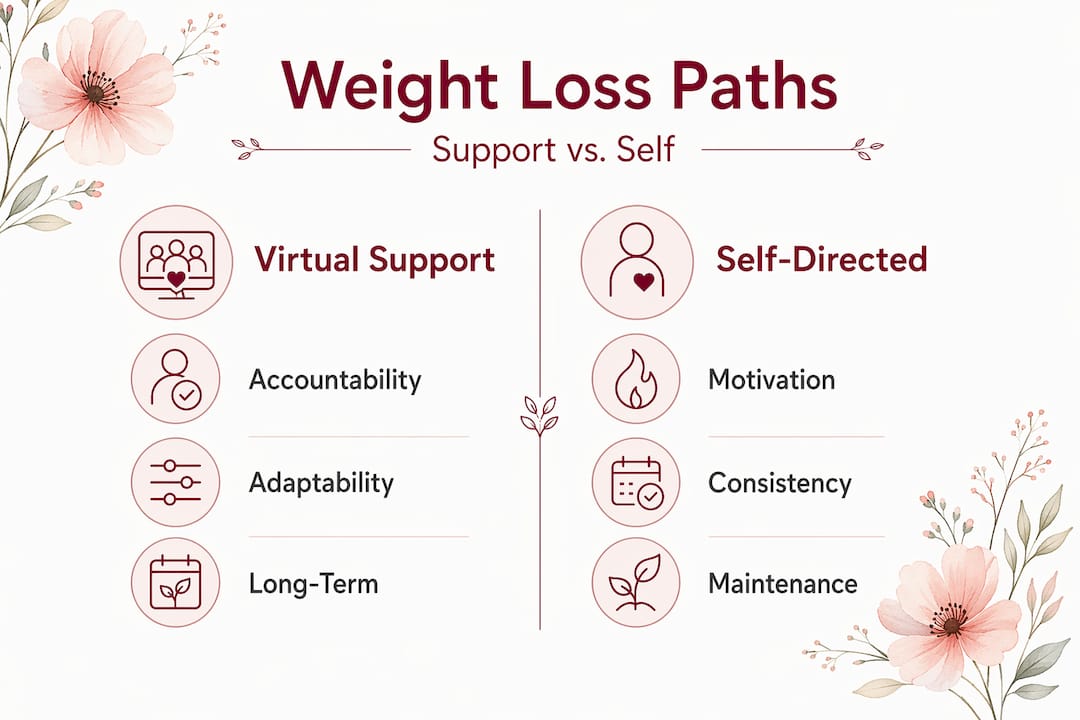
The numbers are telling. A 2026 systematic review of 29 randomized controlled trials confirmed that lifestyle interventions ranked highest for preventing weight regain over time, above medication alone or surgical approaches at most intervals. Sustainable success really does come from consistent behavioral structure.
Here are the elements that make support effective:
Regular check-ins that happen on a schedule, not just when you’re struggling
Adaptive coaching that adjusts your plan when life changes or progress slows
Community connection with other women on the same journey, which reduces isolation
Accountability tools like virtual weigh-ins and secure provider messaging
We know firsthand that working through weight loss challenges is much easier when you’re not doing it alone. We also want you to be aware of common weight loss pitfalls so you can recognize and sidestep them before they derail your progress.
The role of weight loss medications in sustainable weight management
Support matters for everyone, and medication can play a role for some. Let’s break down how to make it genuinely sustainable. Medications like semaglutide, tirzepatide, and other GLP-1 receptor agonists have transformed what’s possible for women managing obesity. But medication is a tool, not a complete solution.
According to VA and DoD clinical recommendations, pharmacotherapy for weight management should always be used in conjunction with comprehensive lifestyle intervention. Medication without lifestyle change is like using an umbrella without addressing the storm. The medication helps, but the behavioral foundation is what holds everything together long term.
What happens when medication is stopped without renewed lifestyle support? The 2026 systematic review confirms that semaglutide rebound can occur after discontinuation, especially when the underlying habits haven’t been built up to compensate. This isn’t a reason to avoid medication. It’s a reason to pair it thoughtfully with ongoing coaching.
Here’s how to integrate medications safely as part of a virtual program:
Get a proper clinical assessment to determine if medication is appropriate for your health profile
Start with lifestyle changes in place so medication enhances what’s already working
Set realistic expectations with your provider about how long therapy will continue
Plan for transitions in advance, whether tapering, adjusting dose, or maintaining with lifestyle alone
Stay connected to your coaching program throughout, not just in the early months
Pro Tip: Weight loss medication is most effective as long-term therapy paired with regular provider contact. Think of it as one layer of a well-built plan, not the entire strategy. Periodic reassessment with your provider ensures your approach keeps working for where you are, not where you started.
We have a wealth of weight management resources on our blog to help you understand your options and make informed decisions with confidence.
Why “sustainable” is more than a buzzword: Lessons from real-world change
With all the components considered, let’s cut through the noise and see what sustainability genuinely looks like on the ground. Here’s something we believe strongly: conventional wisdom overemphasizes motivation and discipline when talking about weight loss. The women who achieve the most lasting results aren’t necessarily the most disciplined. They’re the most adaptable.
Think about it. Motivation fluctuates. Life happens. A stressful week, a holiday, an injury, all of these interrupt even the best intentions. The women we see thriving long-term aren’t the ones who never slip up. They’re the ones who slip up and pivot quickly, without shame spirals or dramatic restarts.
The idea that you need to be “on” all the time is one of the most damaging myths in weight loss. Real sustainability means accepting that your plan will look different during a vacation than it does during a normal work week, and that’s not a failure. It’s flexibility. A truly sustainable approach bends with your life instead of breaking under pressure.
We also want to offer this perspective: weight loss isn’t about restriction. It’s about responsiveness. The most effective plans teach you to listen to your own body, adjust your intake and movement based on real signals, and stay curious rather than rigid. Embracing joyful balance year-round means you stop treating your health like a punishment and start treating it like a priority you genuinely want to keep.
Programs that offer early feedback loops, ones that catch slower progress at week three rather than month six, consistently outperform those that just track end results. That early responsiveness changes outcomes. And for us, that’s what we’ve built our entire model around.
Ready to begin your sustainable weight loss journey?
If you’re feeling empowered to make real progress, the next step is finding a program designed for your life and your goals. Not a one-size-fits-all diet, but a flexible, personalized system that adapts as you grow.
At Wildflower Weight Loss, we’ve designed a virtual program from the ground up for women, by women. We combine customizable nutrition guidance, AI-personalized training, and access to weight loss medications including Mounjaro, Zepbound, Ozempic, Wegovy, Semaglutide, Tirzepatide, and more, all within a supportive community that keeps you connected every step of the way. From weekly live group coaching calls and virtual weigh-ins to monthly Girl’s Nights and secure provider messaging, we’re with you through every phase. Explore our challenges to find a great entry point, or go ahead and start your journey today. Sustainable change is possible, and we’d love to be part of it with you.
Frequently asked questions
How long does it take to achieve sustainable weight loss?
Most people see safe, steady progress of 1 to 2 pounds per week, with the best results coming from consistent, lasting changes rather than quick bursts of extreme dieting.
Can I keep eating my favorite foods and still lose weight sustainably?
Yes, because healthy eating patterns focus on overall balance and nutrient density rather than eliminating specific foods. Moderation and portion awareness go a long way without making food feel like the enemy.
What is the main reason people regain weight after losing it?
Most people regain weight because metabolism slows after loss and old habits tend to return. A 2026 review found that recurrent weight gain is common without structured maintenance strategies in place.
Is medication necessary for sustainable weight loss?
Medication isn’t required for everyone, but for those with obesity it can be a helpful tool. Clinical guidance confirms pharmacotherapy works best when paired with comprehensive lifestyle intervention and ongoing professional support.
Does virtual weight loss coaching really help with sustainability?
Absolutely. Research shows that early adaptive support in structured virtual programs leads to significantly better weight loss outcomes and long-term maintenance compared to going it alone.
Recommended