
Set realistic weight loss goals and achieve success
So many women start a weight loss journey fired up with ambition, only to feel defeated within weeks. The culprit is almost always the same: goals that were never realistic in the first place. When you set an impossible target, you are not failing at weight loss. You are failing at goal-setting. And that is something we can fix together. In this article, we walk you through science-backed strategies to set goals that actually fit your body, your life stage, and your lifestyle, so you can build real momentum and lasting results.
Table of Contents
Key Takeaways
Point | Details |
Aim for steady progress | Losing 1–2 pounds per week is realistic and recommended for most women. |
Set individual targets | Short-term and long-term goals tailored to your life stage lead to better results. |
Embrace resistance training | Strength exercises help protect muscle and boost metabolism, especially after 40. |
Structured support matters | Programs and coaching tend to outperform generic digital apps in sustaining weight loss. |
Track progress creatively | Use tools and small rewards to keep yourself motivated and accountable throughout your journey. |
Why setting realistic weight loss goals matters
Let’s be honest. We have all seen the magazine headlines promising 20 pounds in 30 days. Those claims feel exciting for about a week, and then reality sets in. When the scale does not match the fantasy, frustration takes over, and many women walk away from their efforts entirely. The problem was never willpower. It was the goal.
Setting realistic goals does several important things for you. First, they keep you motivated because you are actually hitting milestones. Second, they protect your body from the physical stress of losing weight too fast. Third, they create habits that stick instead of crash-and-burn cycles.
Here is what realistic looks like in practice:
Target 5 to 10% of your current body weight over six months. This modest amount already moves the needle on your health in meaningful ways.
Build in non-scale wins. Energy levels, sleep quality, and clothing fit all count as progress.
Research from the Look AHEAD trial found that losing just 5 to 10% of body weight over six months significantly improves blood sugar control, blood pressure, and cholesterol levels. A loss of 10% or more was linked to a reduction in cardiovascular events.
That kind of health impact is powerful. And it is achievable without punishing yourself.
Pro Tip: Instead of only tracking pounds, write down three non-scale wins every week. Think better sleep, more energy on your afternoon walk, or fitting back into your favorite jeans. These wins keep you going when the scale feels slow. For more motivation and weight loss blog tips, explore what other women are doing that actually works.
5 types of realistic weight loss goals for women
Now that you understand why realistic goals matter, let’s get practical. There is no single correct goal for every woman. Your ideal target depends on your starting weight, age, lifestyle, and health history. Here are five proven frameworks you can use right now.
Weekly scale goal. Aim to lose 1 to 3 pounds per week. This is gentle enough to protect muscle mass and sustainable enough to keep you going for months.
Monthly scale goal. A 4 to 10 pound loss per month is a healthy, steady pace. This timeframe gives you enough room to have a tough week without feeling like your entire month is ruined. Monthly check-ins also give you better data than daily weigh-ins.
Six-month body weight percentage goal. Aim to reduce your current body weight by 5 to 10% in six months. If you weigh 180 pounds, that means losing 9 to 18 pounds total. This is exactly the kind of goal that produces real health benefits as shown in the Look AHEAD trial.
Non-scale measurement goals. Lose 2 inches from your waist. Fit back into a specific pair of jeans. Reduce your resting heart rate. These goals are incredibly motivating because they reflect body composition changes that the scale sometimes misses entirely.
Performance-based goals. Commit to 150 minutes of movement per week. Complete a beginner strength training program. Walk 8,000 steps daily. Performance goals shift your focus from shrinking to growing stronger, which is a mindset shift that supports long-term success.
Research tracked through PHGKB and CDC Science Clips shows that while the annual probability of losing 5% or more of body weight is roughly 1 in 10, over several years, between 33 and 42% of women achieve it. That number jumps even higher for women with a higher starting BMI who receive proper support.
Pro Tip: Women with a higher BMI often see faster initial results, especially in the first few weeks. Use that early momentum to build consistent habits. The weight loss guides on our blog can help you capitalize on that early phase without burning out.
Challenges faced by women: Age, hormones, and metabolic changes
Here is something we want to say clearly: if weight loss feels harder for you now than it did in your 20s, you are not imagining it. Biology is real, and it affects women in specific, significant ways.
Women in their 40s and 50s face a combination of factors that can genuinely slow progress:
Declining estrogen. As estrogen drops during perimenopause and menopause, the body tends to store more fat, particularly around the abdomen.
Muscle loss. Muscle mass naturally decreases with age, which lowers your resting metabolism. Less muscle means fewer calories burned at rest every single day.
Metabolic slowdown. Your total daily energy expenditure gradually decreases, meaning you need either fewer calories or more activity to maintain the same deficit.
Hormonal fluctuations. Cortisol, insulin, and thyroid hormones can all shift during midlife, making fat loss more complex.
The muscle piece is especially important. According to Harvard Health, roughly 25% of the weight lost during a typical calorie-restricted diet can come from muscle if you are not doing resistance training. Losing muscle while dieting is counterproductive because it lowers your metabolism further, making it even harder to keep the weight off.
Resistance training changes this equation completely. Women who combine calorie control with strength training preserve far more muscle mass during weight loss and often see better body composition results even when the scale moves slowly.
A 2025 fat loss study of women aged 40 to 60 published in Nature Communications found that women who combined flexible time-restricted eating with exercise lost an average of 2.85 kg of fat mass in just 12 weeks compared to a control group. That is fat loss, not just weight loss, which is a much more meaningful distinction.
The solution is not to give up. The solution is to adjust your strategy for where your body is right now. Prioritize protein at every meal. Add two to three days of strength training each week. Stay patient with the timeline. For more on how menopause and metabolism intersect and what you can do about it, we have resources designed specifically for women navigating this phase.
Personalized strategies: What actually works for lasting results
You know your goals. You understand the biological challenges. Now let’s talk about what actually moves the needle for women over the long haul.
Nutrition first. A daily calorie deficit of 500 to 1,000 calories through nutrient-dense foods remains the most well-supported path to fat loss. The NIDDK recommends building that deficit with whole foods, lean protein, fiber-rich vegetables, and healthy fats rather than extreme restriction.
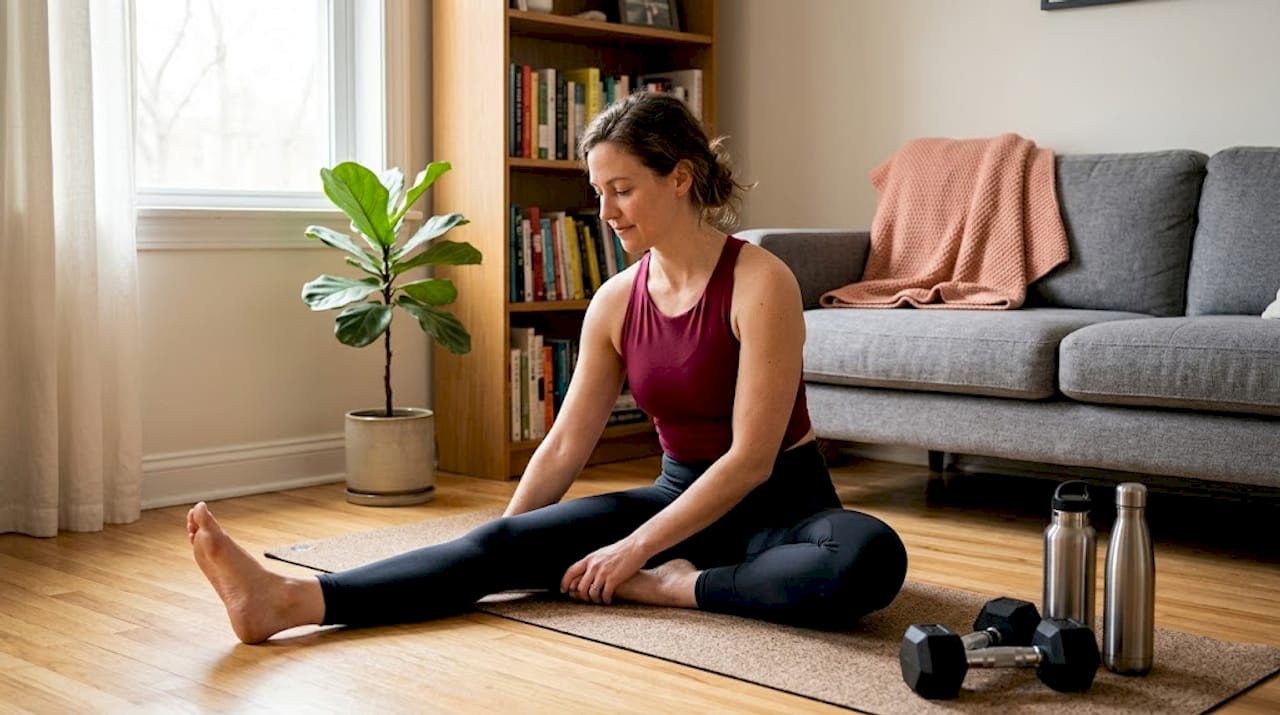
Exercise targets. Aim for 150 to 300 minutes of moderate activity per week, ideally including at least two strength training sessions. Cardio burns calories. Strength training changes your body composition and protects your metabolism.
Support systems matter enormously. Research comparing different program types reveals a consistent pattern. Structured programs outperform app-only approaches for long-term weight loss in women. Generic apps can be useful for tracking, but they lack the accountability, personalization, and human connection that structured coaching provides. Women also tend to lose more on GLP-1 medications than men do, and results scale with the total amount of weight lost, making these options worth exploring with a provider.
Here is a quick comparison of common program types:
Approach | Personalization | Accountability | Long-term results | Cost range |
Generic fitness app | Low | Low | Limited | Free to $20/month |
Self-directed program | Medium | Low | Moderate | $50 to $150/month |
Structured coaching program | High | High | Strong | $200 to $300/month |
Medical weight loss (GLP-1s) | Very high | High | Very strong | Varies by medication |
Community-based virtual program | High | Very high | Strong | Affordable monthly |
Our community-based challenges are designed specifically for women who want the structure of a coached program without the cold, clinical feel. Real support from real women who get it.
How to set, track, and celebrate your weight loss goals
Having a goal is only the beginning. The difference between women who stick with it and women who fade out usually comes down to one thing: a system. Here is a step-by-step process you can start today.
Set your primary goal. Use one of the five frameworks above. Write it down. Make it specific, for example: lose 15 pounds in 12 weeks, or fit back into size 10 jeans by September.
Break it into smaller milestones. A 15-pound goal becomes five 3-pound milestones. Each one feels achievable and gives you a reason to celebrate before you reach the finish line.
Choose your tracking system. Pick one method and stick with it. Options include a food and exercise journal, a dedicated app, body measurements, or weekly weigh-ins. Consistent weight loss tracking through a structured system yields far steadier results according to the NIDDK.
Schedule weekly progress reviews. Pick the same day and time each week. Review your food log, your movement, and your energy levels. What worked? What did not? Adjust and move forward.
Celebrate every milestone. Not with food. With something that honors your effort, like new workout gear, a spa day, a fun experience, or simply time to yourself.
Here is a simple tracking and celebration guide to get you started:
Milestone | Tracking method | Celebration idea |
First 5 pounds | Weekly weigh-in | New workout outfit |
2 inches lost | Monthly measurements | Massage or spa treatment |
30 days consistent | Daily habit log | Day trip or experience |
10% body weight | Progress photos | Weekend getaway |
Goal weight reached | All methods | Big celebration, your choice |
The tracking is not about obsessing over numbers. It is about giving yourself evidence that your efforts are working, even on the weeks when it feels like nothing is happening.
Our perspective: The goal you set shapes the journey you take
Here is something we believe deeply, and it is a little different from what most weight loss content tells you. Most programs ask you to pick a goal weight and chase it. We think that is backward.
The number on the scale is the last thing you should focus on. What matters first is the identity you are building. Are you becoming a woman who moves her body regularly? Who fuels herself well? Who shows up for her health even on hard days? That identity, built through small daily choices, is what produces lasting change. The number follows.
We have seen this pattern over and over with women in our program. The ones who hit their goals and keep the weight off are not the ones who were the most disciplined. They are the ones who stopped fighting their bodies and started working with them. They embraced the pace. They celebrated the small wins. They leaned on their community instead of white-knuckling it alone.
Unrealistic goals are not just unhelpful. They are actively damaging to your relationship with your body. When you set a goal that your biology cannot support, every week that falls short feels like personal failure. You deserve better than that. You deserve a goal that was built for you, not for a magazine cover.
Ready to set goals that actually work for you?
We built Wildflower Weight Loss specifically for women who are tired of programs that do not understand how female bodies work. Whether you are exploring options like Mounjaro, Wegovy, Zepbound, Semaglutide, or Tirzepatide, or looking for a fully personalized nutrition and training plan, we have something designed for where you are right now.
Our program includes weekly live group health coaching calls, secure texting with your provider, AI-personalized training, weekly virtual weigh-ins, and our favorite, monthly Girl’s Nights. It is supportive, flexible, and built by women who get it. Visit Wildflower Weight Loss to explore your options and take the first step toward goals that feel good to chase.
Frequently asked questions
Is it safe for women to lose more than 2 pounds per week?
Regularly losing more than 2 pounds per week is not recommended for most women and can lead to muscle loss or nutrient deficiencies. The CDC and Harvard Health both identify 1 to 2 pounds per week as the safe, sustainable standard.
How long does it really take for women to see significant weight loss results?
Most women notice clear, measurable results after three to six months of consistent effort. The Look AHEAD trial showed meaningful health improvements from just a 5 to 10% reduction in body weight over that six-month window.
Do age and menopause make it impossible to lose weight?
Weight loss is absolutely possible at any age, but women over 40 need to account for hormonal and metabolic shifts. Prioritizing protein and resistance training helps protect muscle mass, which Harvard Health research identifies as critical for women in this life stage.
Are weight loss apps or coaching programs more effective for women?
Apps are useful for tracking, but they rarely deliver lasting results on their own. Structured and coached programs consistently outperform app-only approaches for long-term weight loss in women, particularly when they include accountability and community support.
Recommended